Rotax 582 “Blue Head” RAVE Engine – Built by Rotax Rick: Ultralight and Experimental Aircraft Power
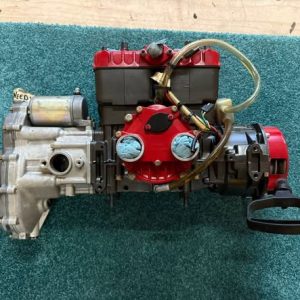
The Rotax 582 “Blue Head” RAVE Engine – Built by Rotax Rick should be selected only after confirming its serial number, builder records, internal configuration, gearbox, operating history, inspection status, and aircraft compatibility.
A Rotax 582 Blue Head may also be marketed as a Rotax 582 Blue Head RAVE Engine or Rotax 582 Aircraft Engine when its cylinder-head design, power-valve system, accessories, and build history are verified.
A Rotax 582 Two-Stroke Engine may serve as a Rotax 582 Ultralight Engine or Rotax 582 Aviation Engine when its gearbox, cooling, exhaust, fuel, ignition, and mounting systems match the intended aircraft.
Whether buyers need a Rotax Blue Head Engine, Liquid-Cooled Aircraft Engine, Two-Cylinder Aircraft Engine, or Lightweight Aircraft Engine, the complete engine package should be evaluated.
These keywords support relevant SEO while preserving responsible guidance for aviation engine selection.
Reviewing the Rotax 582 Engine Build
The engine should be identified through its data plate, serial number, crankcase markings, cylinder configuration, head design, gearbox, ignition equipment, carburetors, and build documentation.
Informal build descriptions should not replace invoices, measurements, test results, or detailed builder records.
Evaluating a Specialist-Built Rotax Engine
A specialist-built engine can offer valuable confidence when the assembly process and replacement parts are described transparently.
Any remaining break-in requirements, operating limitations, fuel recommendations, or follow-up inspections should be disclosed.
Maintaining Power-Valve Operation
The exact RAVE parts, housings, valves, springs, diaphragms, passages, and adjustment status should be inspected during engine evaluation.
Replacement parts should match the specific engine configuration rather than being selected through appearance alone.
Operating a Lightweight Two-Stroke Engine
Two-stroke engines should not be operated using assumptions drawn from automotive or four-stroke aircraft engines.
Oil lines, pumps, tanks, fittings, filters, and calibration should be inspected when an injection system is installed.
Understanding the Rotax Cooling System
Leaks, corrosion, hardened hoses, loose clamps, damaged radiators, and trapped air can reduce system effectiveness.
Preventive cooling maintenance protects the Liquid-Cooled Aircraft Engine from avoidable thermal stress.
Inspecting Cylinders, Pistons, and Crankcase
Both cylinders should be evaluated because uneven compression, mixture, cooling, ignition, or wear can affect the complete engine.
Compression or other condition tests should be interpreted according to the engine’s configuration, temperature, build status, and suitable technical procedures.
Maintaining Smooth Engine Response
Both carburetors should open and close together while maintaining appropriate cable security and throttle travel.
Fuel filters, pumps, lines, vents, tanks, and shutoff systems also influence dependable fuel delivery.
Maintaining Reliable Combustion
Complete ignition evaluation supports more dependable operation of the Rotax Aviation Engine.
Excessive engine-speed drop, roughness, intermittent firing, or unusual plug condition should receive prompt investigation.
Inspecting Gearbox Condition and Ratio
The reduction gearbox allows the engine and propeller to operate at different rotational speeds, helping match engine output with a suitable propeller installation.
Improper propeller loading can affect both engine and gearbox condition.
Maintaining Exhaust Connections and Supports
Accurate exhaust information helps determine the true installation cost.
Exhaust components should be inspected for cracks, corrosion, dents, failed welds, loose springs, worn joints, heat damage, and evidence of airframe contact.
Managing Aircraft Weight and Balance
Accurate weight information supports responsible aircraft planning.
A lighter engine is not automatically suitable if the aircraft requires ballast, structural modification, or a different propeller arrangement.
Rotax 582 Engine Installation Options
Its suitability depends on airframe design, engine-mount geometry, propeller requirements, cooling airflow, fuel capacity, electrical needs, weight, and operating limitations.
Improvised installation can create vibration, cooling, control, fuel, and structural concerns.
Matching the Engine to a Light Sport Project
The Rotax 582 may power some light sport or sport-aviation aircraft, but this does not make every engine eligible for every aircraft.
The installation should address fuel, cooling, ignition, exhaust, gearbox, propeller, instruments, controls, and emergency procedures.
Tracking Maintenance and Component Life
Unknown hours should be described honestly rather than estimated from appearance.
The engine’s reason for removal or sale should be disclosed.
Engine Run Testing and Performance Evaluation
Detailed run information provides stronger evidence than a general runs-good claim.
The engine should not be operated without a suitable propeller, dynamometer, or approved load arrangement when loading is required.
Inspecting Rotax 582 Engine Health
Comprehensive read more mechanical evaluation supports informed purchasing.
Unknown internal condition should be disclosed clearly.
Aircraft Engine Buying Guide
The seller should provide photographs showing the data plate, heads, cylinders, crankcase, carburetors, gearbox, ignition, exhaust connections, cooling fittings, and accessories.
- Compare the engine with the receiving aircraft’s mount, weight-and-balance needs, gearbox ratio, propeller requirements, cooling system, exhaust, fuel delivery, controls, electrical system, and cowling.
- Do not treat clean paint, blue cylinder heads, low claimed hours, or the builder’s name as proof of complete serviceability.
- Report freight damage, missing accessories, identification differences, leakage, undisclosed repairs, or documentation discrepancies promptly.
Safe Handling of the Blue Head Engine
Open fuel, oil, coolant, intake, and exhaust connections should be protected from contamination using suitable covers.
Fuel and coolant residues should be managed according to the planned storage procedure.
Installing the Rotax 582 Engine
Professional preparation protects both the engine and aircraft.
Throttle and enrichment controls should move smoothly through the intended range without binding or unequal carburetor travel.
Disciplined commissioning protects the Rotax 582 “Blue Head” RAVE Engine – Built by Rotax Rick.
Protecting the RAVE Aviation Engine
Consistent care supports the service potential of the Rotax 582 Aviation Engine.
Maintenance should remain documented with dates, hours, parts, findings, and personnel involved.
Rotax 582 Price and Installation Costs
Engines with detailed build sheets, photographs, invoices, run videos, and transparent history are easier for serious buyers to evaluate.
Buyers should compare complete engine packages rather than bare powerplants alone.
Final Thoughts on the Rotax 582 Blue Head
The Rotax 582 “Blue Head” RAVE Engine – Built by Rotax Rick can provide valuable replacement, restoration, experimental-aircraft, ultralight, or spare-engine potential when its identity, build scope, condition, and compatibility are verified.
Careful technical and commercial evaluation can reduce compatibility problems, missing-accessory costs, installation delays, internal-condition surprises, test failures, and documentation concerns.
Whether the requirement is a Rotax 582 Blue Head, Rotax 582 Blue Head RAVE Engine, Rotax 582 Aircraft Engine, or Rotax 582 Two-Stroke Engine, exact configuration should guide the purchase.
With verified identity, documented internal components, suitable mechanical condition, professional installation, organized records, and routine maintenance, the engine can provide dependable long-term value.